Your personal roadmap
Start with your grade, interests, and support needs. Review your roadmap as your goals evolve.
Your roadmap + monthly priorities
As the oldest in an immigrant family, I had to figure out the college process myself. I was lost. I didn’t know how to build on my interests, and I didn’t want to do everything just for college.
I tried traditional counseling and spent a lot of money. What I was missing was someone I could relate to: a student a few steps ahead, studying a major I was interested in at a school I wanted to attend.
That’s why I started Fatimah’s Guide. My videos can help you get started. Working with a mentor gives you someone to talk through your own questions, build your ideas with and learn from along the way.
Work with college students who have recently been through applications and are building their own projects and careers. Ask questions you might not feel comfortable asking someone much older.
You shouldn’t have to choose every activity just because it might look good to colleges. We help you build on your interests, then explain why that work matters to you.
Practice public speaking, build a personal project, learn to cold email and look for research or internship opportunities. These skills matter wherever you go to college.
We keep our cohorts small and choose students we believe we can help. We look for curiosity, communication and a willingness to take feedback and follow through.
You don’t need a finished plan to start. Bring your interests and a willingness to work on them. We’ll discuss the support and schedule before you decide.
Tell Fatimah what you enjoy, what you’re working toward and where you’re stuck. Both parents must join this free consultation.
We recommend a match based on your interests and support needs. Together, build a personal roadmap around your grade, goals, and timeline.
Try the next step, bring your work back and talk through what happened. Your mentor helps you improve it. Parents stay involved, and you’re expected to follow through.
Examples of work we can support, tailored to your year, interests, and pace.
Start with your grade, interests, and support needs. Review your roadmap as your goals evolve.
Your roadmap + monthly priorities
Decide where to go deeper, from an Olympiad interest to a research question or community project. Build a manageable plan and get feedback as you work.
A project plan + a record of your contribution
Compare majors, campuses, opportunities, and affordability to find the experience you want and the options that fit your family.
A college comparison + application timeline
Reflect on your experiences and work through feedback. Bring your own voice to essays, applications, interviews, and scholarships.
Essay drafts + thoughtful revisions
Your college can shape your experiences, and choosing the right fit is a big part of our college counseling. But no counselor can promise admission to your dream college, and an acceptance letter alone doesn’t prepare you for what comes next.
Our goal is to help you navigate the full college journey. Build the skills, confidence, and independence to succeed through high school, college, and beyond, whichever higher-education path you choose.
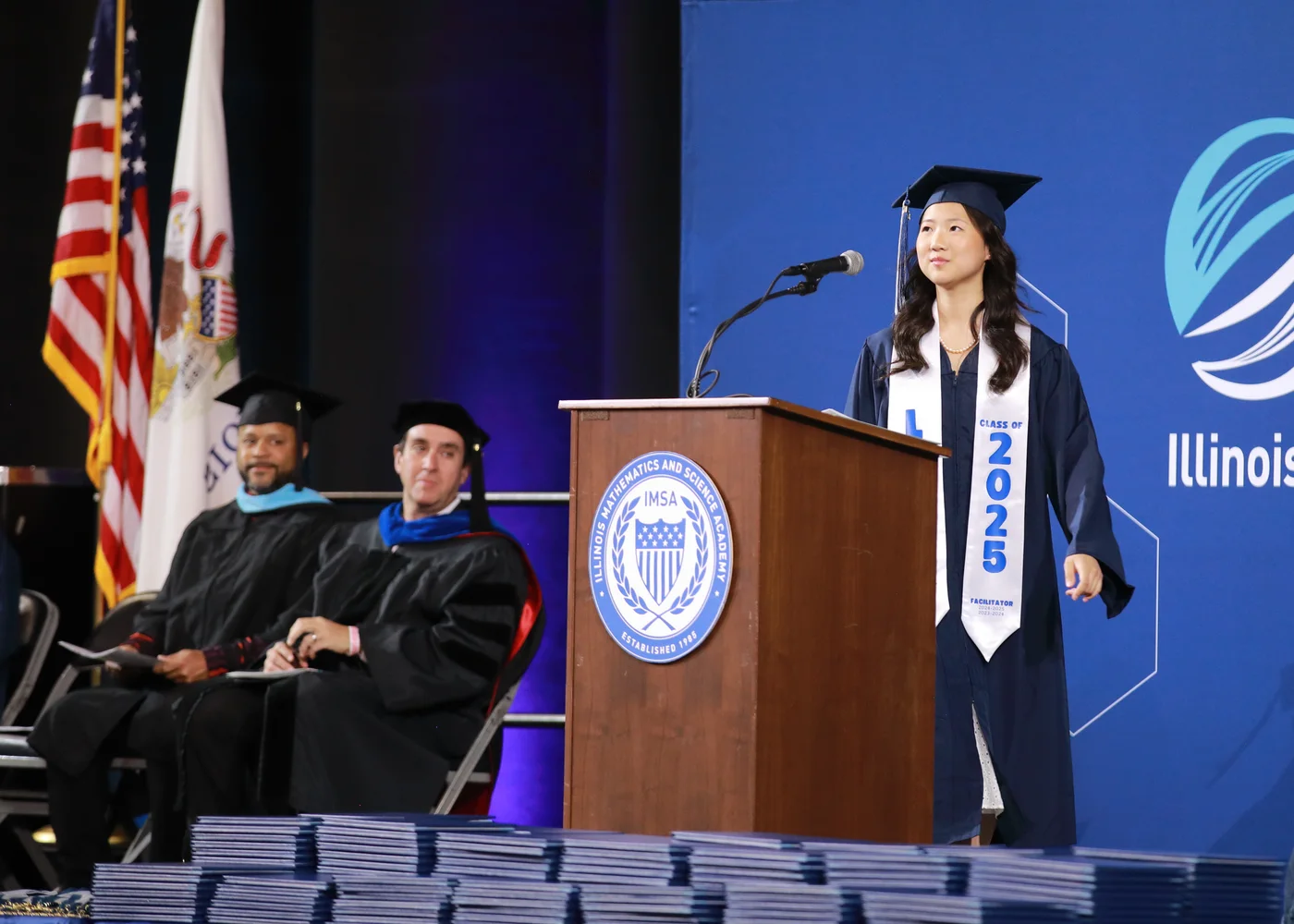
Learn how to introduce yourself, reach out to professors and professionals, ask thoughtful questions, and follow up.
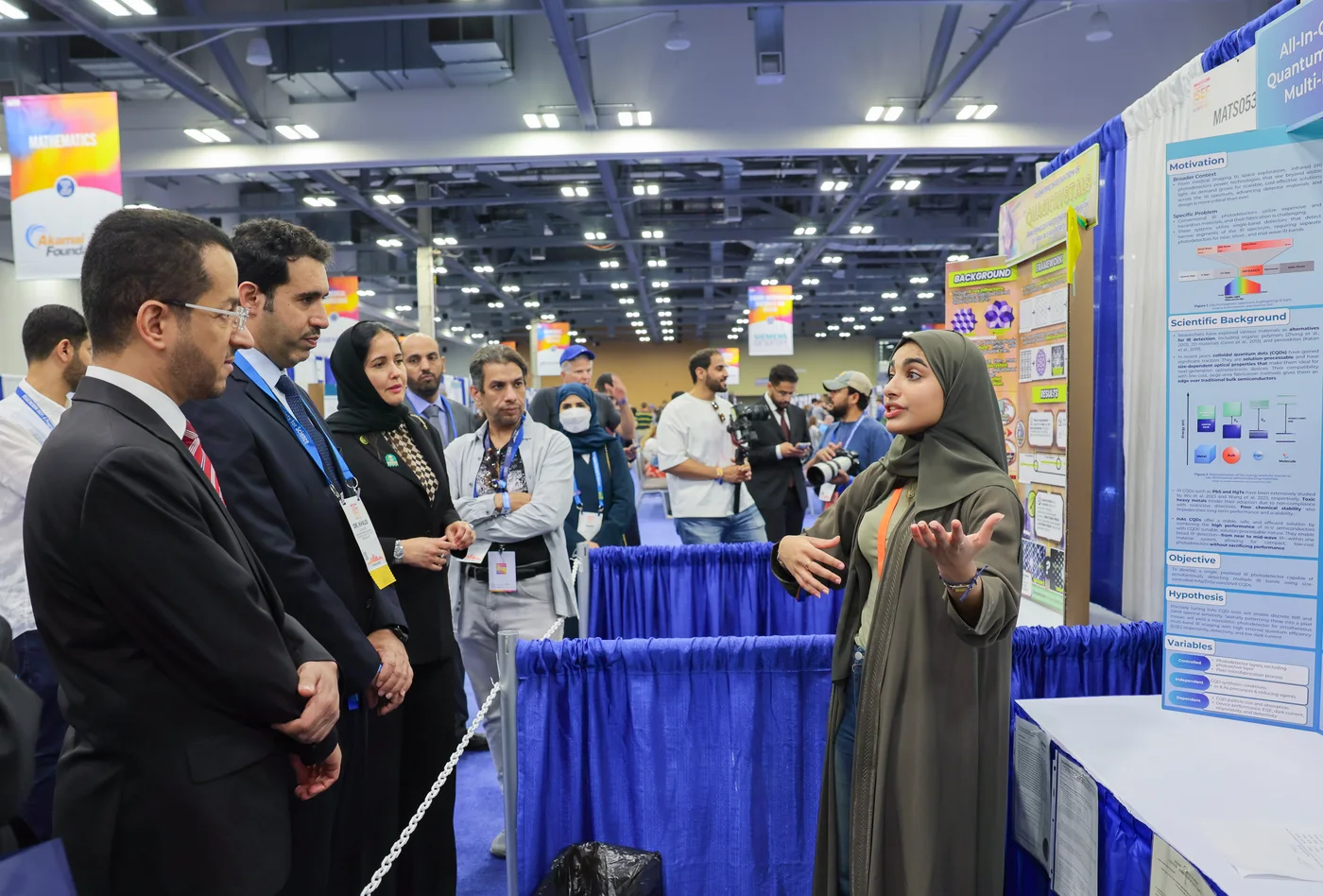
Learn where to look, tailor your résumé and applications, and prepare for interviews, even when you’re starting without a network.

Practice planning your time, studying actively, and asking for help so you can handle new academic demands with more independence.

Explore useful tools, learn to question AI outputs, and use technology to support your learning. No technical background needed.
You do not have to wait for application season. Start in any grade, and let your plan grow with you.
Explore classes, activities, and what excites you. Build habits and goals that fit your starting point.
Build projects, deepen your extracurriculars, and discover where you want to spend your energy.
Explore colleges, summer opportunities, and leadership while planning for what comes next.
Navigate essays, applications, interviews, and scholarships with someone who knows your goals.
A starting point, not a deadline. We meet you where you are, even if your interests or plans change.
Build a foundation while you have time to explore. Develop projects, deepen extracurriculars, and figure out what you want to pursue.
Work through application season with someone who knows your goals. Develop your essays, stay organized, and prepare for what comes next.
A useful plan starts with your child’s interests, deadlines and available time. Here’s what that can look like.
Talk through your prioritiesList your schools, prompts and word limits. Start with the nearest deadline.
Map overlapping prompts and choose concrete experiences that show your interests and contribution.
Work on story and structure first, then clarity and wording. Check every school’s requirements before submitting.
Illustrative plan, not a student result. Your priorities and pace will be personal to you.
Explore goals, mentor fit, pricing, and a schedule that works for your family.